Introduction: The Significance of Birth Charts in Britain
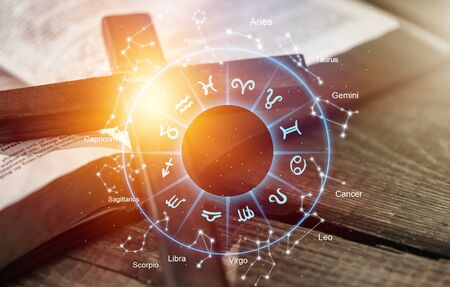
Astrology has always held a curious place in British culture, weaving its way through centuries of tradition and modern fascination alike. Today, personal birth charts—detailed astrological maps drawn from one’s exact time and place of birth—are more popular than ever among Britons seeking self-understanding or guidance. While horoscopes in newspapers and online platforms continue to capture the public’s imagination, the practice of casting birth charts is experiencing a fresh wave of interest, particularly among younger generations across the UK. This enduring appeal reflects not only a desire to connect with something greater than oneself but also an appetite for introspection in an age marked by uncertainty. As Britons explore their personal birth charts, many are drawn to the celestial events that punctuate the calendar year—such as the solstices and equinoxes—which offer unique insights into character, fate, and personal cycles. In this article, we’ll delve into what these powerful seasonal turning points might reveal about individuals living in Britain today, set against the backdrop of our shared cultural landscape.
2. Understanding Solstices and Equinoxes in the UK Context
When considering personal birth charts within a British framework, it’s essential to understand both the astronomical and cultural significance of the solstices and equinoxes. In the UK, these solar events have historically marked turning points in the agricultural calendar, shaped ancient festivities, and continue to influence local traditions.
Astronomical Markers in the British Year
The solstices (summer and winter) and equinoxes (spring and autumn) divide the year into four significant segments. In Britain’s northern latitude, these events are particularly pronounced, affecting daylight hours more dramatically than in many other regions. Below is a summary of these key points:
| Event | Date (approx.) | Astronomical Significance |
|---|---|---|
| Spring Equinox | 20th March | Day and night are equal in length; marks beginning of spring |
| Summer Solstice | 21st June | Longest day; sun at its highest point; start of summer |
| Autumn Equinox | 23rd September | Day and night are equal again; onset of autumn |
| Winter Solstice | 21st December | Shortest day; sun at its lowest point; winter begins |
Cultural Traditions Rooted in Solar Events
Britain’s relationship with the solstices and equinoxes dates back to prehistory. Stonehenge, for example, is famously aligned with sunrise on the summer solstice, attracting thousands every June. The winter solstice was celebrated by ancient Britons as a time of renewal and hope—traditions that evolved into Christmas festivities. The spring equinox brings Easter celebrations, blending pagan and Christian themes of rebirth. Harvest festivals around the autumn equinox remain common in rural communities.
Historic Perspectives and Modern Observances
The prominence of these solar events has woven them into the fabric of British identity. While scientific understanding has replaced superstition, communal gatherings at sites like Avebury or Glastonbury Tor continue, showing how old customs adapt to modern life. This ongoing reverence means that for Britons, the timing of one’s birth relative to these celestial events can carry symbolic weight—adding another layer of meaning when interpreting personal birth charts.
3. Solstices and Equinoxes in Your Natal Chart: What to Look For
When examining your personal birth chart through the lens of the solstices and equinoxes, it is essential to understand how these pivotal solar moments interact with your unique astrological placements. For Britons, whose cultural and historical heritage is intimately connected to the changing seasons—think of Stonehenge at the summer solstice—these celestial events often carry added resonance.
Key Angles: The Cardinal Cross
The solstices and equinoxes occur when the Sun enters the four cardinal signs: Aries (spring equinox), Cancer (summer solstice), Libra (autumn equinox), and Capricorn (winter solstice). In your natal chart, pay particular attention to planets or points that fall near 0° of these signs. These placements are activated each time the Sun crosses a cardinal point, often marking turning points or periods of heightened energy in your year.
The Sun’s Journey Through Your Houses
Consider which houses of your chart the solstice and equinox points occupy. For example, if the summer solstice falls in your tenth house of career, you may find this season brings professional developments or public recognition. For Britons, whose working life often aligns with seasonal rhythms—such as academic terms or financial quarters—these periods can signal shifts in focus or ambition.
Personal Planets and Sensitive Degrees
If you have personal planets (Sun, Moon, Mercury, Venus, Mars) within a few degrees of 0° Aries, Cancer, Libra, or Capricorn, the corresponding solstice or equinox is likely to be particularly significant for you. Note whether these planets are aspected by transiting planets during these solar events, as this can amplify their effect—think of it as a cosmic spotlight illuminating certain areas of your life, from relationships to personal identity.
Astrological Patterns Unique to Britain
Britain’s variable climate and distinct seasons have shaped cultural attitudes towards light, darkness, renewal, and reflection. Solstices and equinoxes often align with traditional festivals—Midsummer, Harvest Home, Yule—so their astrological impact may be felt more keenly in British life. Consider how your own chart reflects or interacts with these collective energies, especially if you have strong placements in earth or water signs that resonate with the UK’s landscape.
4. Cultural Resonances: British Celebrations and Folklore
The British Isles have a long and intricate relationship with the turning of the seasons, and this is reflected not only in personal birth charts but also in public life and local traditions. The solstices and equinoxes—key astrological markers—have shaped many of the country’s most beloved customs. By investigating the intersections between astrology and the British cultural calendar, we uncover how ancient beliefs persist in modern celebrations, often in ways that are subtle yet profound.
Seasonal Festivals: Ancient Roots and Modern Practice
For centuries, communities across Britain have marked the solstices and equinoxes with festivities that echo older pagan rites. The Summer Solstice, for instance, is famously celebrated at Stonehenge, where crowds gather to witness sunrise aligning perfectly with the stones—a tradition steeped in both astrological observation and local legend. Similarly, the Winter Solstice was historically a time for Yule festivals, which later merged into Christmas traditions, blending Christian and pre-Christian symbolism.
Alignment of Festivals with Astrological Events
| Event | Date | Traditional Festival | Astrological Significance |
|---|---|---|---|
| Spring Equinox | 20-21 March | Eostre / Easter | Balance between day & night; renewal and rebirth themes |
| Summer Solstice | 20-21 June | Midsummer / St Johns Eve | Longest day; celebration of light, growth, and fertility |
| Autumn Equinox | 22-23 September | Harvest Festival / Michaelmas | Day equals night; gratitude for abundance, preparation for winter |
| Winter Solstice | 21-22 December | Yule / Christmas | Shortest day; rebirth of the sun, hope amid darkness |
The Interplay Between Personal Charts and Public Rituals
For Britons interested in astrology, these seasonal events offer unique moments to reflect on their birth charts. For example, those born around the solstices or equinoxes may find that their personal energies resonate more strongly during these times. Local folklore holds that wishes made or rituals performed at these turning points are especially potent—a belief that dovetails with contemporary interest in lunar cycles and planetary alignments.
This convergence of public celebration and private introspection gives the British calendar a rich texture. While astrology provides a personal map, the country’s shared traditions offer communal ways to mark cosmic change, reinforcing a sense of connection to both the heavens and the land.
5. Practical Insights: What Britons Can Uncover About Themselves
Understanding Your Personal Chart Through the British Lens
For those in the UK, interpreting your personal birth chart in connection with the solstices and equinoxes isn’t just an academic exercise—it’s a practical tool for self-discovery and growth. The shifting daylight, temperate changes, and traditional celebrations around these times offer unique cues for introspection and action.
Using the Solstices for Personal Growth
The Winter Solstice, the longest night, is an ideal moment for Britons to reflect on what needs releasing in their lives, mirroring the natural pause before daylight returns. By checking where the Sun transits your chart during this period, you can pinpoint which area of your life is asking for rest or re-evaluation. Similarly, the Summer Solstice, with its abundance of daylight, is a call to action—an opportunity to set intentions and pursue projects aligned with where the Sun sits in your chart. For example, if the Sun highlights your fifth house, creative pursuits or romance might come to the forefront.
Equinoxes as Balancing Points
The Spring and Autumn Equinoxes, when day and night are balanced, are prompts for Britons to seek equilibrium in their own lives. On the Spring Equinox, consider which areas of your chart (and life) could use a fresh start—perhaps inspired by the renewal of nature all around. During the Autumn Equinox, review your routines and relationships, and use the chart’s guidance to let go of what no longer serves you, just as trees shed their leaves.
Actionable Steps for UK Readers
1. Mark Your Calendar: Note the dates of each solstice and equinox. Plan quiet time to reflect, journal, or meditate on what these turning points reveal in your chart.
2. Check House Transits: Using free online tools or working with a local astrologer, find out which house the Sun is transiting at each seasonal point.
3. Connect with Tradition: Engage in classic British customs (like May Day celebrations or winter wassailing) that correspond to these times, using them as ritual anchors for your personal intentions.
4. Create Seasonal Intentions: Set goals that align with the energy of the season and your chart’s focus—for instance, start a new hobby at the Spring Equinox if your third house is highlighted.
5. Share and Reflect: Discuss your findings with friends or community groups; collective reflection is a cherished part of British culture and can deepen your understanding.
By tying astrological insights to Britain’s seasonal shifts and cultural rhythms, these practices help you navigate both inner and outer change more thoughtfully throughout the year.
6. Conclusion: Embracing Celestial Cycles, the British Way
As we reflect on the intersection between personal birth charts and the potent turning points of the solstices and equinoxes, it becomes clear that these celestial cycles offer more than abstract symbolism—they provide practical wisdom for everyday life in Britain. Whether you find yourself drawn to the quiet introspection of a winter’s night or the vibrant energy of a summer’s day, integrating the lessons of these astronomical events can be a uniquely British experience. Living in the UK, we are attuned to the shifting seasons in a way that is both tangible and deeply embedded in our cultural consciousness. The ebb and flow of light, the traditions surrounding midsummer or the quiet reverence of winter solstice gatherings, all serve as reminders to align ourselves with nature’s rhythms. By understanding how these celestial moments interact with our personal astrological blueprints, we invite a sense of purpose and connection into our journeys. It encourages us to pause, reflect, and set intentions that are grounded both in the stars and in the landscapes we call home. Ultimately, embracing these cycles is not about prediction or fate; it’s about finding harmony between our inner worlds and the broader tapestry of British life—a mindful way to honour our roots while reaching for the wisdom of the skies.