
1. Introduction: British Young Adult Literature and Cultural Identity
British Young Adult (YA) literature has long held a distinguished place in the literary landscape, forging connections between youthful readers and the rich, multifaceted heritage of the United Kingdom. Rooted in a historical context shaped by empire, industrialisation, and social reform, British YA narratives have evolved in tandem with national identity, reflecting and refracting the lived experiences of generations. From the gothic shadows of the Brontës to the contemporary urban milieus of Malorie Blackman and Patrick Ness, the genre embraces a spectrum of voices, dialects, and regional sensibilities. This breadth not only mirrors the complexity of modern British society but also encourages young readers to grapple with questions of belonging, heritage, and self-definition. Within these stories, cultural identity is not merely a backdrop but an active, shaping force—woven through dialogue, setting, and characterisation. Such a fertile narrative ground naturally invites the integration of broader symbolic systems, such as astrological archetypes, which offer further means to explore destiny, personality, and transformation. As we delve into the role of zodiac symbolism within contemporary British YA literature, it is essential first to appreciate the genre’s intrinsic relationship with cultural identity, setting the stage for a nuanced examination of how ancient archetypes are reimagined for modern youth.
2. Astrological Symbolism in British Folklore and Modern Narratives
The enduring resonance of zodiac archetypes within British culture is rooted in the nation’s rich tapestry of myth and folklore. From medieval manuscripts to regional oral traditions, celestial symbolism has long been woven into tales of heroism, transformation, and fate. This legacy persists in contemporary British young adult literature, where authors creatively reimagine astrological motifs for new generations of readers.
The Zodiac in British Myth and Folklore
Historically, the twelve zodiac signs have echoed through British stories, often subtly entwined with legendary figures or seasonal rituals. For instance, the archetype of Leo as a symbol of courage can be traced to Arthurian legends, while the introspective Pisces finds echoes in Celtic tales of prophecy and hidden wisdom. The table below illustrates key associations between zodiac signs and traditional British folklore:
| Zodiac Sign | Folkloric Association | Traditional Symbolism |
|---|---|---|
| Aries | Spring festivals (e.g., Beltane) | Initiation, renewal |
| Cancer | Moon myths, water spirits | Nurturing, mystery |
| Sagittarius | The Green Man, wild hunts | Adventure, knowledge-seeking |
| Pisces | Seers, merfolk legends | Intuition, duality |
Modern Adaptations in Young Adult Fiction
Contemporary British YA authors frequently draw upon this astrological heritage to deepen characterisation and plot structure. Protagonists may embody specific zodiac qualities—such as the fiercely independent Aries or diplomatic Libra—while narrative arcs mirror cosmic cycles of growth and challenge. Notably, these archetypes serve not only as personality templates but also as metaphors for personal development, social conflict, and the navigation of identity within a modern multicultural Britain.
Cultural Resonance and Reader Engagement
The adaptation of zodiac symbols into youth fiction offers a unique bridge between ancient tradition and present-day storytelling. It enables readers to explore universal themes—destiny, choice, transformation—through a distinctly British lens. By integrating astrological archetypes with local folklore, contemporary narratives foster both cultural continuity and imaginative reinvention.
3. Characterisation: Zodiac Archetypes as Narrative Devices
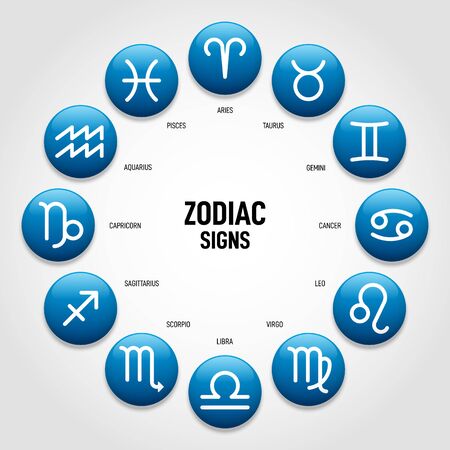
In the vibrant tapestry of contemporary British young adult literature, zodiac archetypes frequently serve as vital narrative devices, intricately woven into characterisation and plot development. British authors, renowned for their nuanced storytelling, often draw upon the symbolic language of the zodiac to craft multidimensional protagonists and supporting characters whose personal growth, relational tensions, and emotional journeys resonate profoundly with adolescent readers. By integrating astrological archetypes—such as the fiercely independent Aries, the introspective Cancer, or the diplomatic Libra—writers imbue their characters with distinct temperaments that mirror both traditional star sign traits and the complexities of modern British youth culture.
Astrology, long embedded in the British cultural imagination from Elizabethan almanacs to contemporary horoscopes, provides a familiar yet flexible framework for character construction. In novels set against quintessentially British backdrops—whether bustling London boroughs or windswept Yorkshire moors—zodiacal attributes are used to illuminate internal conflicts and social dynamics within peer groups, families, and schools. The stubbornness of a Taurus character might challenge the fluid adaptability of a Pisces friend, while a Leo’s need for recognition could spark rivalry or camaraderie within a sixth form setting. These star-born qualities not only enrich dialogue and interpersonal tension but also echo the perennial British fascination with fate, identity, and self-determination.
Moreover, the journey of character growth in British YA fiction often parallels the cyclical progression of the zodiac itself. Authors may subtly align character arcs with astrological seasons—using Scorpio’s transformative energy to signify a period of crisis and rebirth, or Aquarius’s visionary spirit to drive collective action in stories of social change. Through this ancient celestial lens, British authors offer young readers both a mirror for self-reflection and a map for navigating the intricate constellations of adolescence.
4. Societal Themes: Class, Identity, and Destiny Through Zodiac Lenses
Within the richly woven tapestry of contemporary British young adult literature, zodiac archetypes frequently emerge as evocative metaphors for deep-rooted societal concerns. These symbolic figures serve not only to enrich characterisation but also to reflect and interrogate pervasive issues such as class stratification, personal identity, and the age-old question of fate versus free will—a thematic triad central to the British cultural narrative.
Class Stratification and the Zodiac
The British literary tradition is acutely attuned to matters of class, and modern YA authors adeptly transpose this sensitivity onto zodiac archetypes. Characters associated with earth signs—Taurus, Virgo, Capricorn—often embody stability, tradition, or social aspiration, echoing the values and constraints of Britain’s entrenched class system. Conversely, air signs—Gemini, Libra, Aquarius—may represent characters striving to transcend social boundaries or challenging established hierarchies. The interaction between these archetypal characters creates a microcosm of British society within the narrative.
| Zodiac Element | Typical Traits | Class Association in YA Fiction |
|---|---|---|
| Earth | Pragmatic, steadfast | Established middle or upper classes |
| Air | Innovative, adaptable | Aspiring or transgressive social climbers |
| Fire | Ambitious, impulsive | Working-class resilience or entrepreneurial drive |
| Water | Sensitive, intuitive | Marginalised or overlooked groups |
Identity Formation Through Astrological Archetypes
The journey towards selfhood is a cornerstone of young adult fiction. In the British context, characters’ engagement with their zodiac archetype often mirrors their struggle with personal and cultural identity. For example, a protagonist grappling with a Leo archetype might wrestle with expectations of leadership and visibility, reflecting broader questions about individuality versus conformity within British society. This internal dialogue is especially potent when set against the backdrop of multicultural urban Britain, where questions of heritage and belonging are ever-present.
Destiny and Free Will: Fate in the Stars?
The motif of destiny—whether written in the stars or shaped by human agency—is deeply resonant within British young adult literature. Zodiac archetypes provide a framework for exploring whether characters are bound by their inherent traits or capable of transcending astrological “fate.” This tension is frequently employed to dramatise the choices faced by young people growing up in a society negotiating its own future amidst political uncertainty and rapid change. The interplay between inherited characteristics and self-determination echoes classic British literary concerns, from Dickensian determinism to contemporary debates about opportunity and meritocracy.
Conclusion: A Mirror for Modern Britain
Ultimately, the use of zodiac archetypes in contemporary British YA fiction functions as both a narrative device and a cultural mirror. Through these symbols, authors engage readers in nuanced discussions about class, identity, and destiny—inviting them to question not just who they are, but who they might become in a society shaped by both tradition and transformation.
5. Case Studies: Modern Works and Zodiac Representation
To elucidate the subtle yet pervasive influence of zodiac archetypes in contemporary British young adult literature, it is instructive to engage in close readings of selected works that have garnered both popular enthusiasm and critical regard. Through these texts, we witness how authors weave astrological motifs into the fabric of characterisation, plot progression, and thematic exploration, often without overtly referencing the zodiac itself.
Case Study 1: “The Rest of Us Just Live Here” by Patrick Ness
Ness’s novel offers a compelling tableau of adolescent anxieties and aspirations. By examining the protagonist, Mikey, through a zodiacal lens, one discerns strong Cancerian undertones: his fierce loyalty to friends and family, his inward struggles with vulnerability, and his persistent yearning for emotional security. Secondary characters mirror other signs—Jared’s Piscean empathy and Henna’s Sagittarian quest for truth—enriching the narrative with a subtle astrological tapestry that resonates with readers’ own experiences of identity formation.
Case Study 2: “A Good Girl’s Guide to Murder” by Holly Jackson
Jackson’s heroine, Pip Fitz-Amobi, exemplifies classic Virgo traits: analytical acuity, methodical problem-solving, and an insatiable thirst for justice. The narrative’s structure echoes the precision and meticulousness associated with Virgo energy, while supporting characters provide balance—Ravi as a loyal Taurus grounding Pip’s investigations. Such archetypal representation enables nuanced explorations of morality and agency within a recognisably British context.
Case Study 3: “Heartstopper” by Alice Oseman
Oseman’s graphic novel series deftly employs zodiac archetypes to chart interpersonal dynamics among its diverse cast. Charlie’s sensitive introspection aligns him with Pisces or Cancer, whereas Nick displays Leo-like warmth and generosity. The story’s gentle unfolding mirrors the cyclical nature of astrological influences, underlining themes of growth, acceptance, and self-discovery so central to British YA literature.
Critical Implications
These case studies demonstrate that contemporary British YA authors utilise zodiac archetypes not as mere decorative symbols but as structuring principles underpinning psychological realism and narrative cohesion. The nuanced deployment of astrological motifs offers young readers a familiar yet profound framework for understanding character motivations, fostering empathy, and negotiating their own coming-of-age journeys within the cultural milieu of twenty-first-century Britain.
6. Reception and Critique: British Youth, Astrology, and Literary Engagement
Youthful Perspectives: Embracing the Zodiac
Within the lively realm of British young adult literature, the incorporation of zodiac archetypes has generated a spectrum of responses among readers. Many British youths approach astrological motifs with a blend of curiosity and playful scepticism—a reflection of the broader cultural attitude toward astrology in the UK. For some, star signs and their literary avatars serve as vehicles for self-exploration, granting a sense of identity and belonging through narrative resonance. Online forums and book clubs devoted to contemporary YA fiction often reveal spirited debates about whether characters genuinely embody their assigned zodiac traits or whether such symbolism is merely a narrative device. Nevertheless, there remains a marked appreciation for stories that weave astrological elements seamlessly into character development and plot, suggesting that British youth are willing to suspend disbelief in exchange for compelling storytelling.
Critical Responses: Educators and Literary Critics
The pedagogical value of zodiac archetypes in young adult literature has not escaped notice in educational circles. Some British educators welcome astrology’s presence as an entry point for discussions about symbolism, identity formation, and cultural history. These teachers argue that engaging with astrological themes can foster critical thinking by prompting students to examine how mythological frameworks influence both personal outlooks and societal expectations. Conversely, a contingent of critics remains wary, expressing concern that reliance on zodiacal stereotypes may encourage superficial readings or reinforce reductive ideas about personality. They caution against conflating entertainment with empirical truth—a distinction that is especially relevant given the resurgence of pseudo-scientific beliefs among younger generations.
Cultural Commentators: A Mirror to Modern Britain?
Cultural commentators have also weighed in on the phenomenon, viewing the literary fascination with zodiac archetypes as indicative of wider trends in British society. In an era marked by uncertainty and rapid change, the zodiac offers young readers a familiar system through which to decode both fiction and reality. Some commentators posit that this trend signals a renewed appetite for ritual and meaning-making amongst Generation Z. Others remain more critical, questioning whether such literary devices risk trivialising complex social issues by filtering them through an overly deterministic lens. Yet, even among sceptics, there is an acknowledgment of astrology’s enduring appeal as a narrative tool—one capable of bridging tradition and innovation within the context of contemporary British youth culture.
Conclusion: Navigating Between Scepticism and Wonder
The reception of zodiac archetypes in British young adult literature thus occupies an intriguing middle ground. While some embrace these motifs as catalysts for engagement and reflection, others urge caution lest they overshadow nuanced characterisation or critical inquiry. Ultimately, the dialogue surrounding astrology in YA fiction mirrors the broader British disposition: at once rationally sceptical and quietly enchanted by the cosmic possibilities inherent in storytelling.
7. Conclusion: The Enduring Allure of the Zodiac in British YA Fiction
In reflecting upon the evolving landscape of contemporary British young adult literature, it becomes apparent that zodiac archetypes continue to exert a profound and persistent influence. Their adaptability and symbolic richness ensure their ongoing relevance, allowing authors to imbue characters with layers of meaning that resonate deeply with readers navigating the complex transition from adolescence to adulthood. Indeed, the zodiac’s perennial motifs—identity, destiny, conflict, and harmony—mirror the quintessential struggles of British youth in an ever-changing society.
The enduring allure of zodiac archetypes lies not only in their familiarity but also in their capacity for reinvention. Modern British YA fiction leverages these ancient symbols to probe contemporary themes such as multiculturalism, gender fluidity, and social mobility. In doing so, writers both honour tradition and challenge established conventions, crafting narratives that are at once timeless and acutely relevant. The fusion of astrological symbolism with local idiom and social context creates a uniquely British interpretation—witty, self-aware, and often tinged with irony—that appeals to young readers seeking both escapism and self-recognition.
Moreover, the communal aspect of zodiac lore fosters a sense of belonging among readers. As young people grapple with questions of identity and purpose, zodiac archetypes offer a language through which they can articulate their aspirations and anxieties. In classrooms, libraries, and online forums across the UK, these motifs serve as touchstones for discussion and self-exploration, bridging generational divides while nurturing individual expression.
Looking ahead, one can anticipate that British YA literature will continue to reimagine zodiac archetypes in ways that reflect the shifting tides of culture and consciousness. Whether through subtle allusion or overt narrative structure, the stars remain a guiding force—inviting each new generation to discover themselves anew within their celestial patterns.